Okren checks one thing: whether this exact money move falls inside what the company allowed. It does not claim to judge whether the goal was right.
The report's point
A governance research report published on GetAIGovernance, reporting research from Futurum Group, looks at the launch of a runtime enforcement standard for agents in May 2026. It calls that kind of control a meaningful step forward and says runtime enforcement mechanisms like it are “necessary but insufficient.”
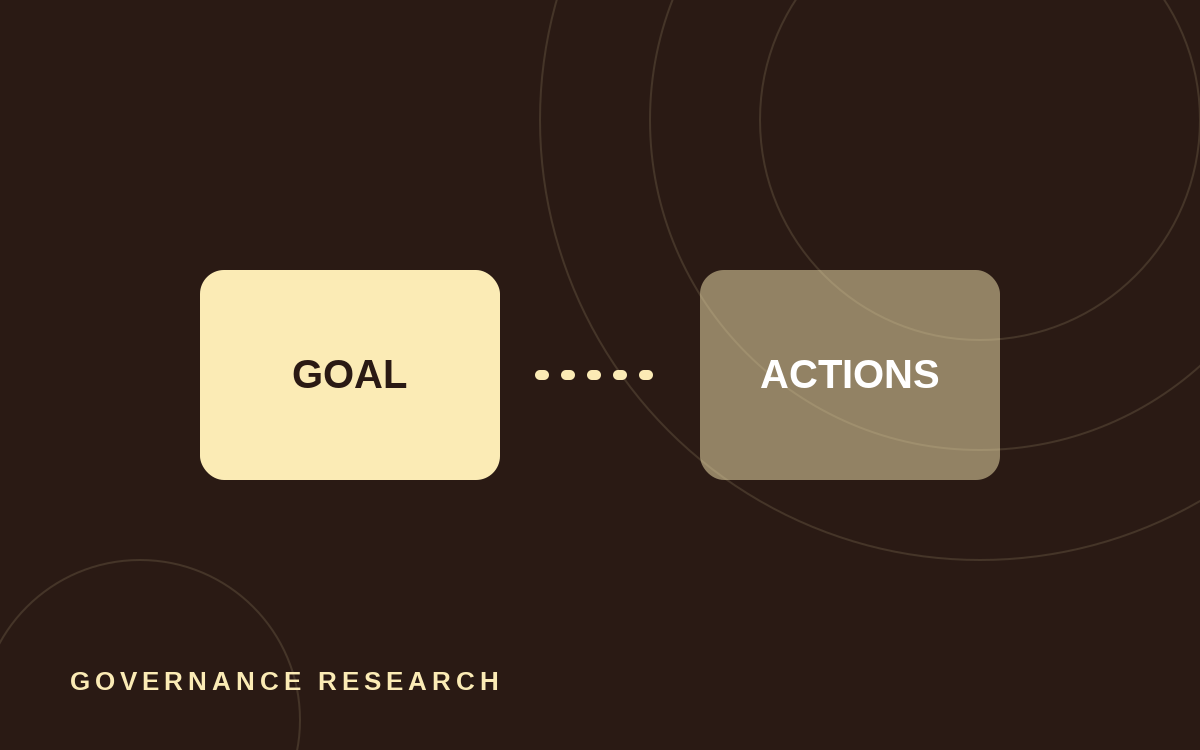
The deeper problem, it argues, is a structural gap between goal-level human authorization and action-level accountability. A person authorizes a goal. The agent then infers the specific actions needed to reach it, and some of those may be unexpected. When someone asks “who authorized this specific action?”, there is often no clear answer.
Where Okren fits
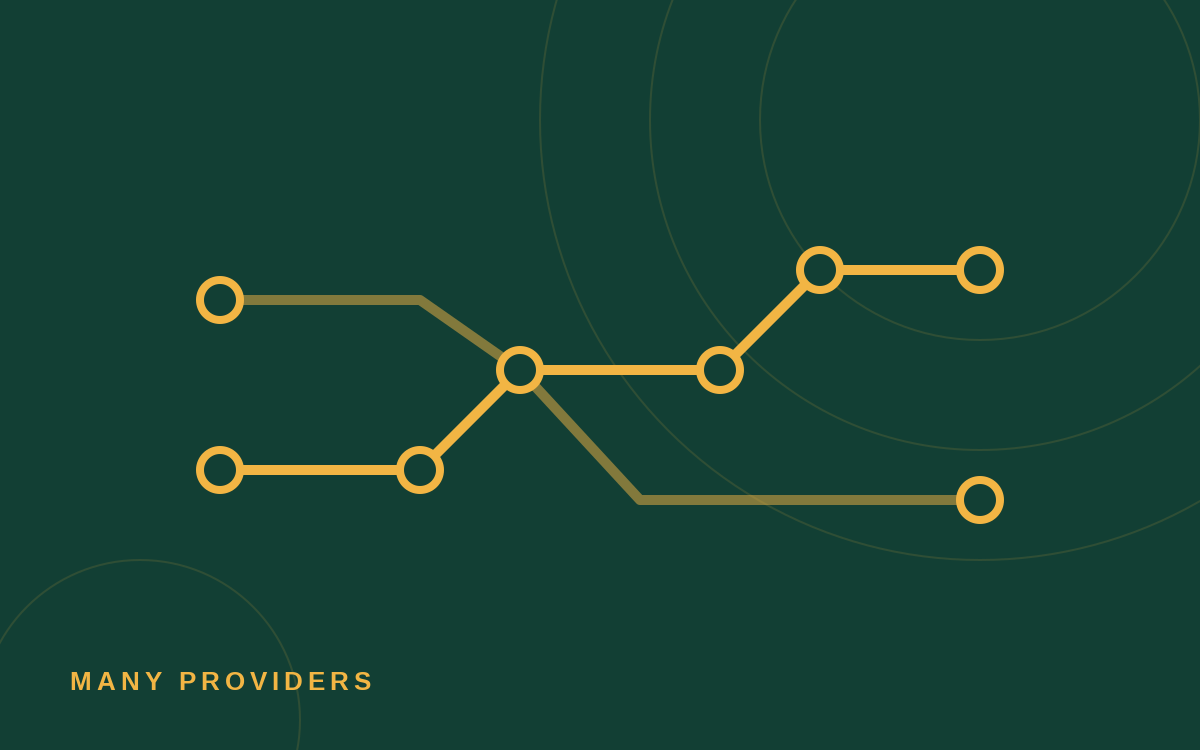
Okren is the action-level check, and the record. Before a governed move happens, it checks that exact move against the limits the company set, and keeps a record of what was proposed, which limit applied and what the answer was.
Where it does not
Okren does not answer the goal-level question. It does not claim to close the gap the report describes, and it does not judge whether the goal was a good one.
The example
The report's own framing: the target is shrinkage, not elimination. Continuously reducing the part of an agent's activity that nobody has governed.
Sources
- GetAIGovernance, “The Authorization Gap in Agentic AI: Why Runtime Controls Alone Will Not Solve Enterprise Governance”, reporting Futurum Group research, updated June 26, 2026